%22%20fill%3D%22%23498AC7%22%2F%3E%0A%3Cg%20clip-path%3D%22url(%23clip0_14993_5160)%22%3E%0A%3Cpath%20d%3D%22M426.51%20180.638L412.599%20179.279L417.745%20126.608L431.274%20127.93L426.51%20180.638Z%22%20fill%3D%22white%22%2F%3E%0A%3Cpath%20d%3D%22M473.93%20185.447L460.019%20184.088L465.301%20130.026L478.829%20131.347L473.93%20185.447Z%22%20fill%3D%22white%22%2F%3E%0A%3Cpath%20d%3D%22M493.649%20187.373L479.721%20186.012L485.002%20131.95L498.531%20133.272L493.649%20187.373Z%22%20fill%3D%22white%22%2F%3E%0A%3Cpath%20d%3D%22M431.901%20146.126L447.142%20128.48L462.705%20130L442.263%20155.599L455.974%20184.166L438.776%20182.486L430.265%20162.871L431.901%20146.126Z%22%20fill%3D%22white%22%2F%3E%0A%3Cpath%20d%3D%22M539.689%20154.918C539.689%20154.918%20539.708%20154.727%20539.716%20154.64C539.84%20152.651%20542.627%20150.904%20545.568%20150.261L546.876%20136.872C537.245%20137.353%20528.138%20143.239%20527.142%20153.429C527.091%20153.951%20527.058%20154.474%20527.061%20154.984C527.224%20157.264%20527.695%20160.172%20528.81%20162.773C529.727%20164.882%20531.07%20166.768%20533.06%20167.963C537.804%20170.797%20541.084%20171.363%20543.491%20171.528L544.827%20159.107C541.508%20158.396%20539.748%20157.013%20539.706%20154.92L539.689%20154.918Z%22%20fill%3D%22white%22%2F%3E%0A%3Cpath%20d%3D%22M551.606%20176.868C551.606%20176.868%20551.587%20177.059%20551.579%20177.146C551.455%20179.135%20548.625%20180.07%20545.683%20180.713L544.375%20194.102C554.007%20193.621%20563.159%20188.529%20564.154%20178.339C564.205%20177.818%20564.239%20177.294%20564.236%20176.785C564.073%20174.504%20563.602%20171.597%20562.487%20168.995C561.569%20166.887%20560.226%20165%20558.236%20163.805C553.492%20160.972%20550.092%20160.376%20547.684%20160.229L546.549%20171.844C549.868%20172.555%20551.547%20174.773%20551.589%20176.866L551.606%20176.868Z%22%20fill%3D%22white%22%2F%3E%0A%3Cpath%20d%3D%22M555.54%20157.45L567.714%20157.358C568.837%20145.864%20560.311%20137.904%20548.834%20136.782L549.982%20136.894L548.697%20150.04C552.925%20150.436%20555.314%20152.39%20555.54%20157.45Z%22%20fill%3D%22white%22%2F%3E%0A%3Cpath%20d%3D%22M537.755%20173.46L525.58%20173.552C524.457%20185.046%20529.801%20192.696%20541.278%20193.817L542.566%20180.636C538.339%20180.241%20537.98%20178.521%20537.755%20173.46Z%22%20fill%3D%22white%22%2F%3E%0A%3Cpath%20d%3D%22M521.49%20180.017C521.434%20180.591%20521.294%20181.121%20521.052%20181.624C520.277%20186.868%20515.596%20189.5%20510.257%20188.978L496.346%20187.619L497.754%20173.204L506.327%20174.041C507.284%20174.135%20508.142%20173.429%20508.236%20172.472L510.288%20151.467C510.382%20150.51%20509.676%20149.651%20508.719%20149.558L500.164%20148.722L501.508%20133.528L515.402%20134.885C520.931%20135.426%20525.154%20139.999%20524.614%20145.528L524.074%20151.058L521.492%20179.999L521.49%20180.017Z%22%20fill%3D%22white%22%2F%3E%0A%3C%2Fg%3E%0A%3Cdefs%3E%0A%3CclipPath%20id%3D%22clip0_14993_5160%22%3E%0A%3Crect%20width%3D%22152.248%22%20height%3D%2257.4818%22%20fill%3D%22white%22%20transform%3D%22translate(418%20124)%20rotate(5.58)%22%2F%3E%0A%3C%2FclipPath%3E%0A%3C%2Fdefs%3E%0A%3C%2Fsvg%3E%0A)
Top Draft Busts of the Modern Era

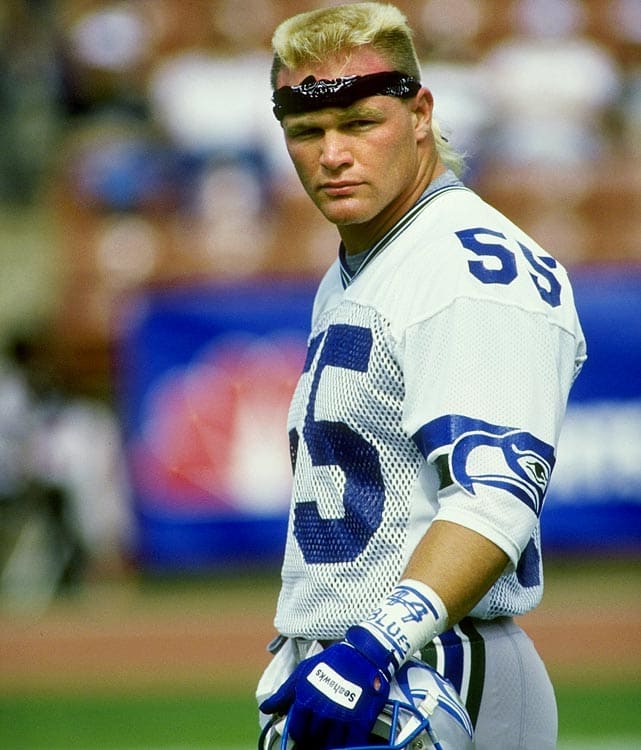
Who'll be the top bust of the 2010 Draft? Only time will tell. In the meantime, here's a look at some of the top busts of the modern era, beginning with Bosworth, who won the Butkus Award twice at Oklahoma before the Seahawks selected him in the 1987 supplemental draft and signed him to a 10-year, $11 million deal. With his funky haircuts and his "Boz" attitude, he was supposed to redefine the linebacker position. But injuries limited him to a disappointing three-year career. The NFL's loss was Hollywood's gain. Bosworth delivered a subtle and moving performance in Stone Cold and appeared in the remake of The Longest Yard.
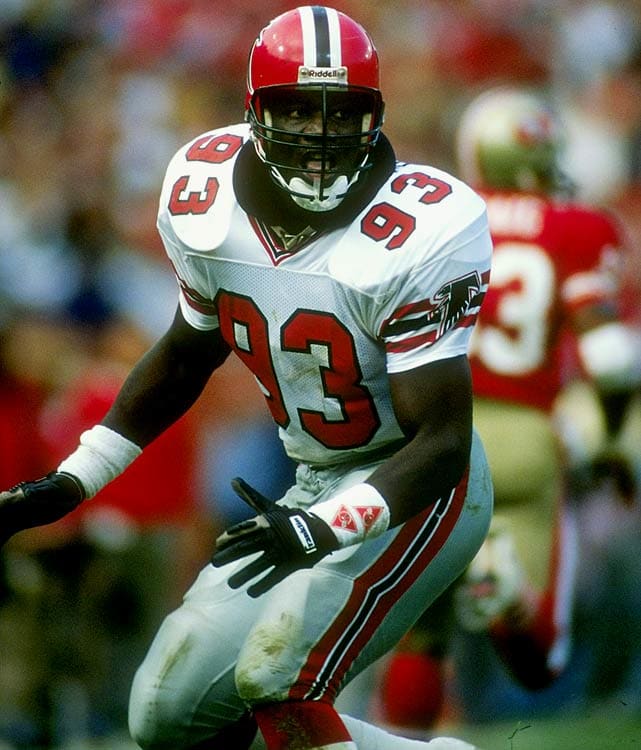
The Falcons have made a lot of bad picks over the years, but this was the worst. Atlanta looked to trade out of the top spot, but no prospect in the '88 draft was compelling enough bait. The Falcons settled with Bruce, and the former Auburn star had four mediocre seasons in Atlanta. He eked out 11 nondescript NFL seasons, starting just 42 games.
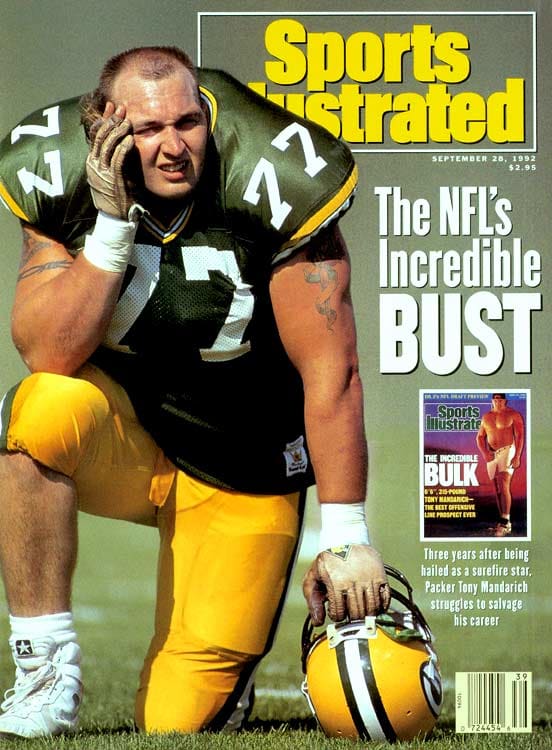
Even for a No. 2 pick, Mandarich came into the NFL with an unusual amount of hype. SI called him the greatest offensive-line prospect of all time. Turns out he was using performance enhancers. After holding out for a huge deal his rookie season, he was a disappointment from the start. Mandarich played three seasons in Green Bay and seven total in the NFL. The next three picks in '89? Barry Sanders, Derrick Thomas and Deion Sanders.
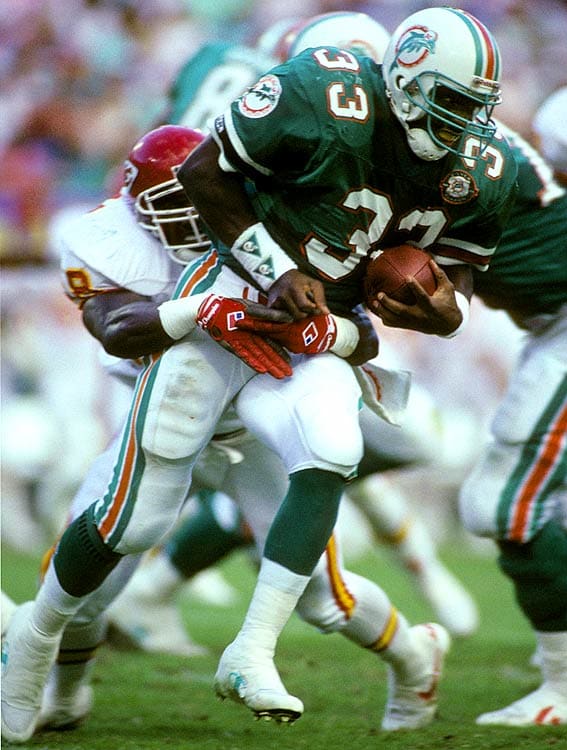
The Dolphins finally thought they'd solved their running-back woes with this big, powerful runner from Florida State. In three seasons with Miami, Smith never averaged more than 3.7 yards per carry and was a fumbling machine with a knack for coughing the ball up at the worst times. He basically was driven out of town by a chorus of "Sammie sucks," before moving on to Denver, where he lasted just three games.
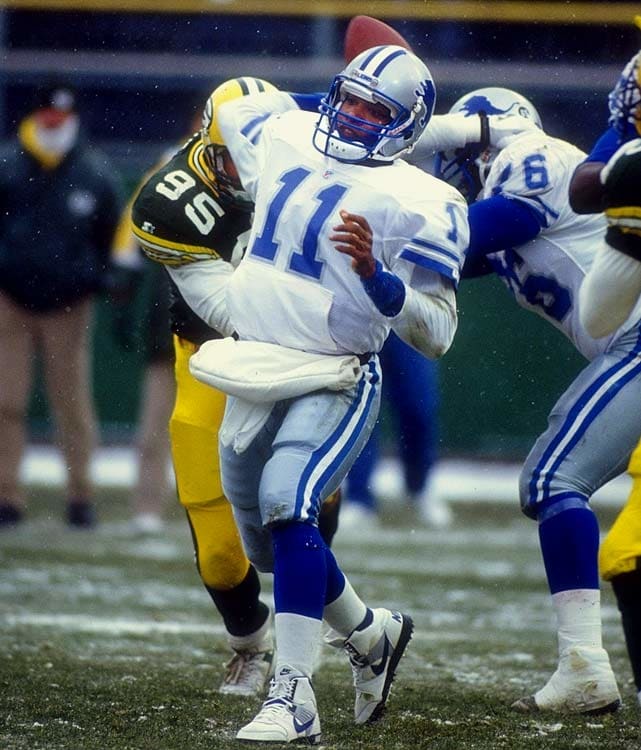
Ware rewrote the college record books at Houston and won the Heisman Trophy, but he barely got off the bench in the NFL. Like many other busts, he held out before his rookie season and never was able to get it going with the Lions. In four seasons he completed just 83 passes for five TDs. Ware has the unique distinction of also being a major flop in the CFL, where he won a championship backing up Doug Flutie.
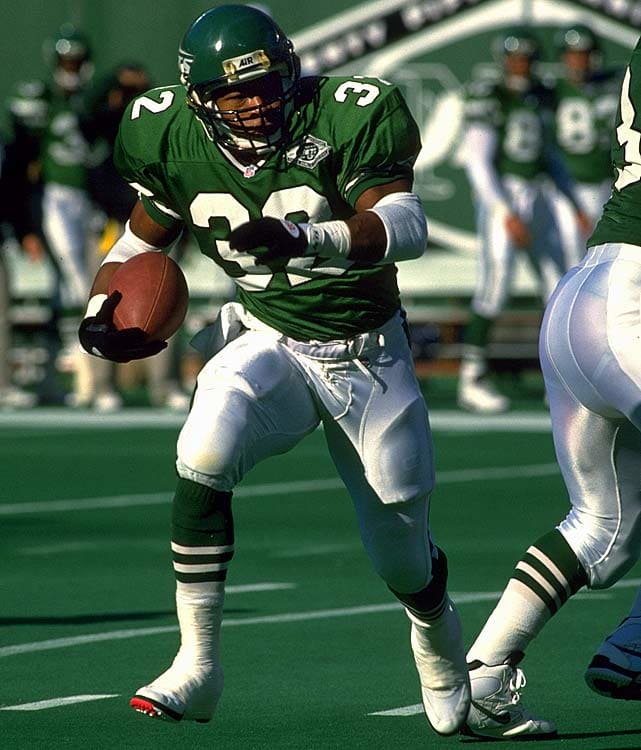
Thomas' utter failure as a pro helped solidify every Jets fan's certainty that their team could do no right on draft day. Whatever intangible element that makes a great NFL running back, the former Penn State star didn't have it. Thomas reached the end zone just seven times in four undistinguished seasons in New York. The Cowboys landed Emmitt Smith 15 picks after Thomas in the 1990 draft.
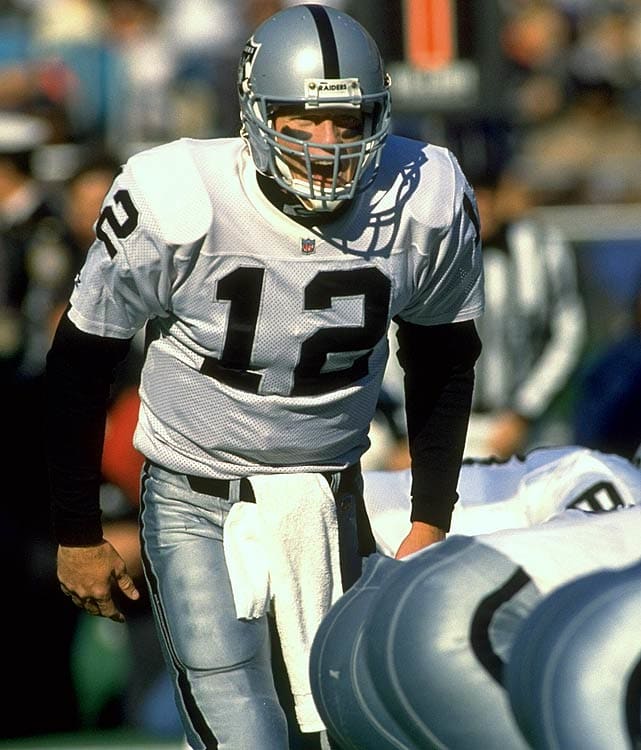
Drafted lower than most of the players in this gallery, Marinovich's status as a draft bust comes in part because of the expectations created by his bizarre background. Encouraged early on by his father, Marv, a former Raiders offensive lineman, to be a quarterback, Marinovich melted under the pressure. He ran into trouble with drugs while starring at USC, and his problems continued after joining the Raiders, where he lasted just two seasons.
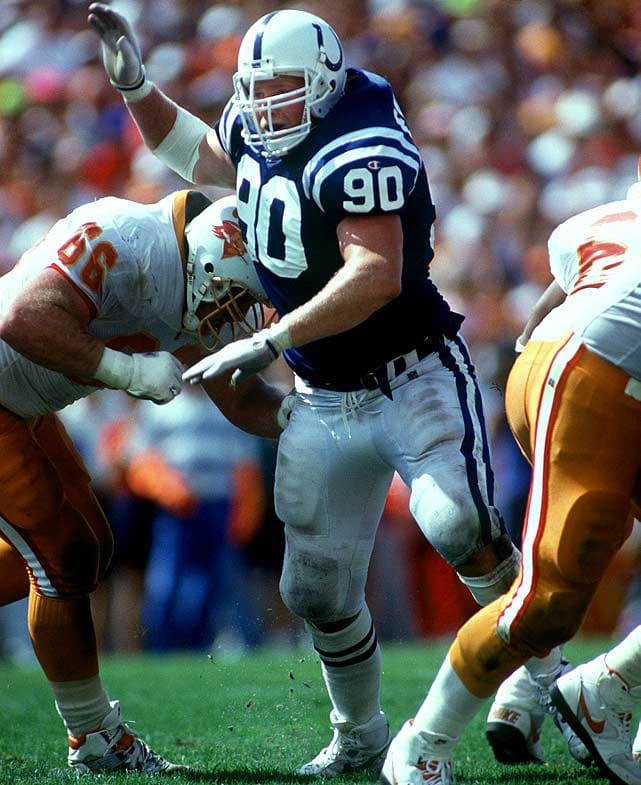
An outstanding D-lineman at University of Washington, Emtman blew out his knee nine games into his rookie season, beginning a cycle of injuries he never overcame. Emtman started just 10 games over six years for three different teams.
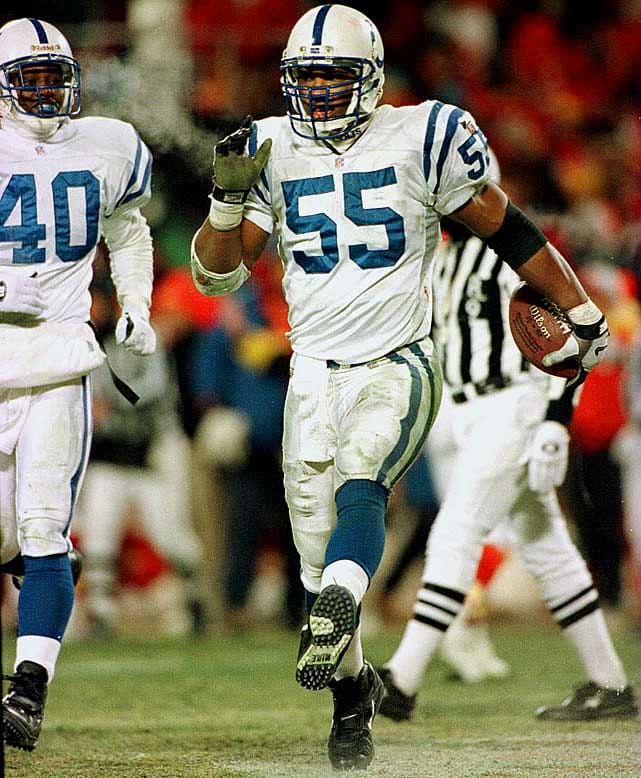
Chosen right after Emtman, this former Texas A&M stud looked like a can't-miss prospect, but he had five lackluster seasons with the Colts before being released in 1997. A comeback with Dallas a year later failed and his career was finished.
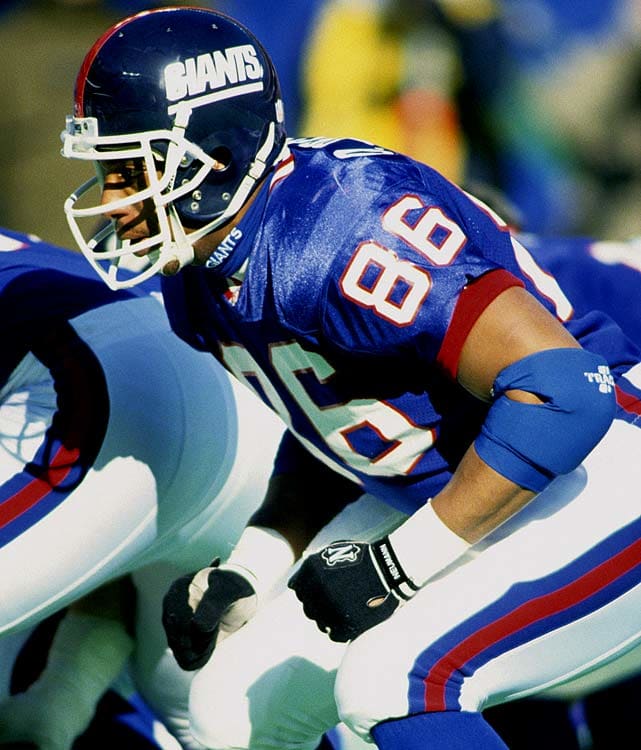
A physical specimen at Notre Dame, Brown looked as if he would redefine the tight-end position in the NFL. Brown did change the way people thought about tight ends: Teams no longer wanted to take them in the first round. He had 11 catches in three seasons with the Giants before being cut. Brown also gets lumped in with the Jets' No. 15 pick that year, Johnny Mitchell, another historic tight-end bust.
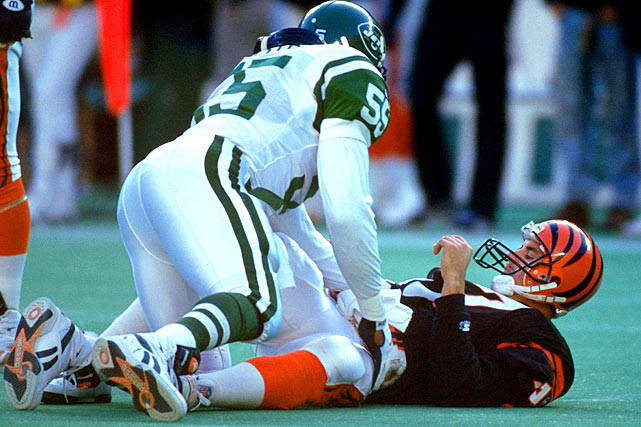
At the University of Houston, Klingler threw 54 TDs in a season and six TDs in a quarter. He threw 16 TDs in four whole seasons with the Bengals -- compared with 21 interceptions. Klingler replaced the very popular Boomer Esiason, and after getting sacked 10 times by the Steelers in his first start, he spent most of his Cincy career on the turf.
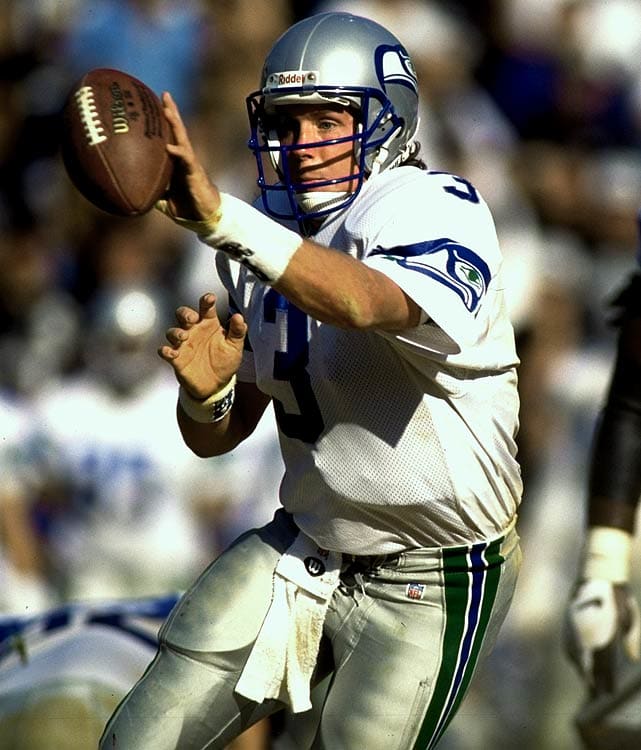
After observing Mirer at Notre Dame, Bill Walsh called him the second-coming of Joe Montana. Mirer wasn't even the second coming of Joe Pisarcik. The Seahawks took Mirer after Drew Bledsoe, and in four seasons Mirer tossed 41 TDs and 56 INTs. Mirer has the distinction of being a huge bust for two teams. The Bears traded a first-round pick to Seattle for Mirer in 1997. He never won Chicago's starting job.
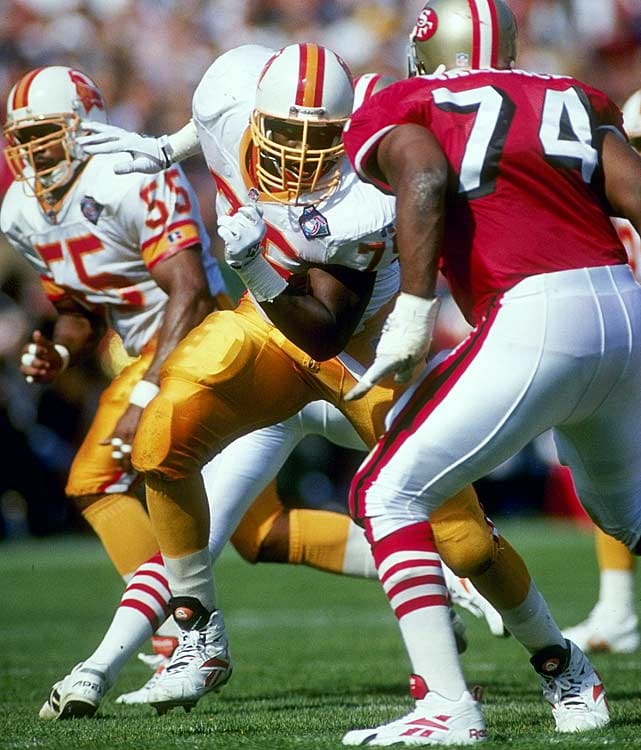
Eric Curry, who had 12 sacks in four years with the Bucs, may not even be Tampa Bay's worst pick of the '80s and early '90s (there are too many to list here). He isn't even the most disappointing DE to come out of Alabama that year (John Copeland went to Cincy at No. 5). But with his multiple connections to other draft flops, Curry earns a special Kevin Bacon-like spot in bustville.
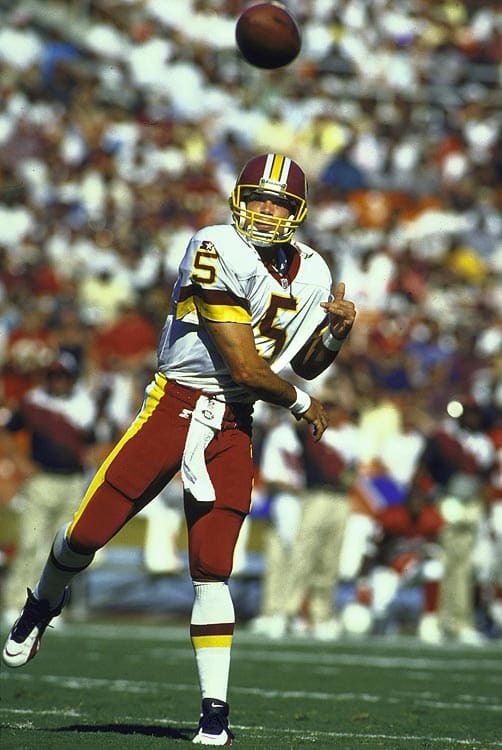
Shuler displayed all the tools at Tennessee, but he never understood the nuances of an NFL offense while in Washington. Shuler played 19 lackluster games in three seasons with Washington before being displaced by Gus Frerotte. Shuler was traded to the Saints, where he lasted just one year.
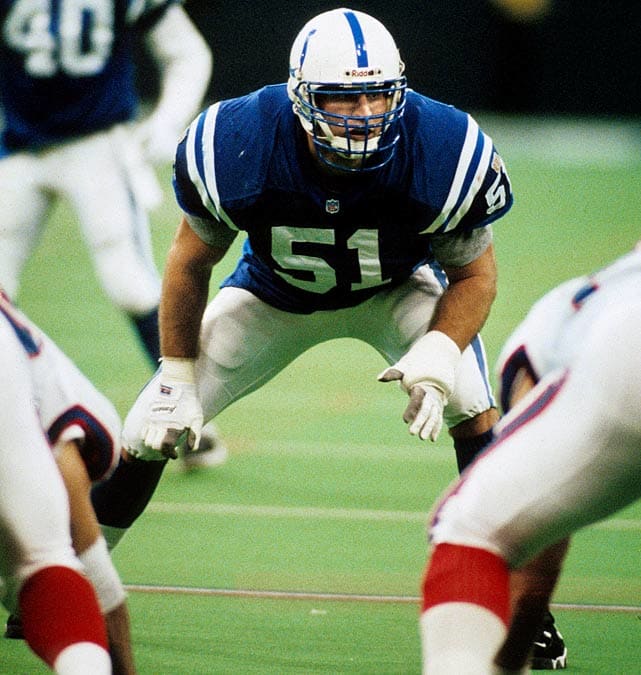
Alberts' career got off to a rocky start when ESPN analyst Mel Kiper ripped Indy for picking him, drawing the public ire of Colts GM Bill Polian. In three injury-plagued seasons, Alberts couldn't prove Kiper wrong.
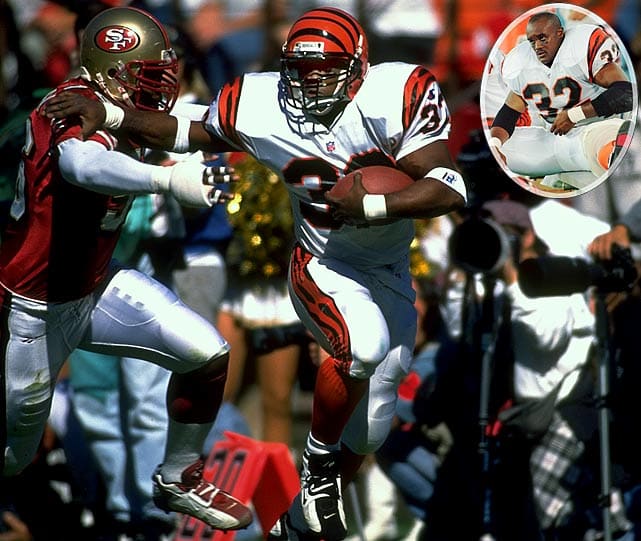
After running through Grand Canyon-like holes at Penn State, Carter blew out his knee before ever taking a snap in an NFL regular-season game. He came back the next season and played all 16 games, but averaged 2.9 yards per carry. Carter proceeded to injure virtually every major body part in four seasons with Cincy and never became a consistent starter. Although NFL scouts didn't take the lesson to heart, Carter once again proved the Penn State RB jinx.
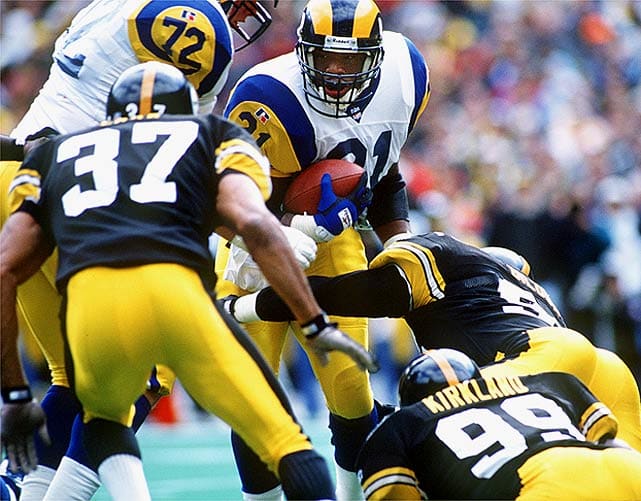
The NFL began psychological testing for draft prospects because of players like Lawrence Philips. A speedster out of Nebraska, Phillips may have gone even higher if he hadn't pleaded no contest to domestic-violence charges while in college. Rams coach Dick Vermeil thought he could control the troubled back, but St. Louis released Phillips a year after drafting him. The troubled back never found a permanent NFL home.
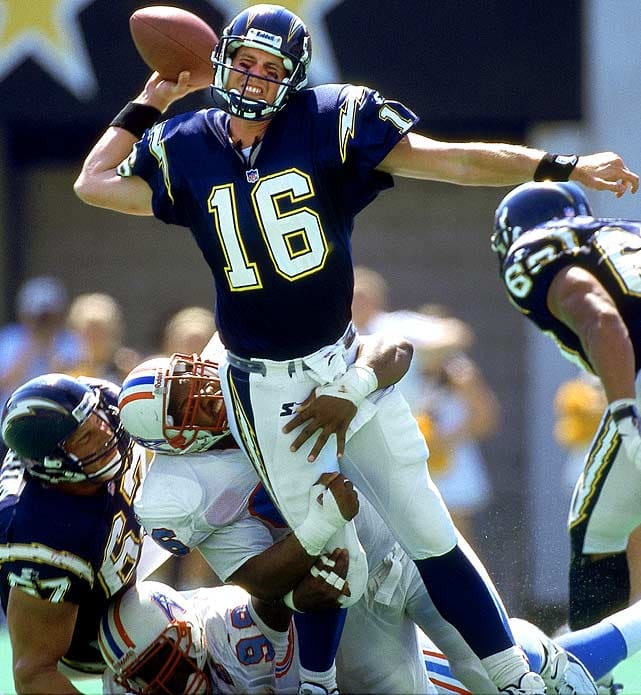
The one-time Washington State star redefined the term "bust" in his brief NFL career. He wasn't a No. 1 overall -- the Colts chose Peyton Manning -- but his spectacular decline destroyed the Chargers, who traded up with Arizona to select Leaf. In 18 starts, Leaf finished 4-14 with a 48.8 passer rating. His misadventures on the field were relatively pleasant compared to his locker-room tirades. Leaf alienated the media, teammates, water boys ... anyone unlucky enough to get in his path before he retired in 2002.
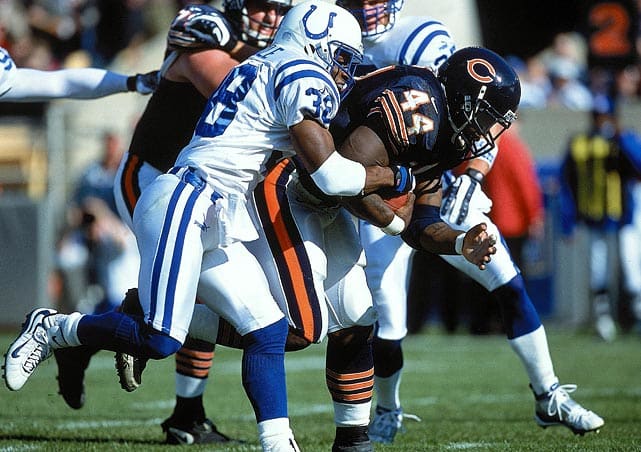
The Penn State running-back curse strikes again (see Thomas, Carter, etc.). Not only did this former Nittany Lion fail to produce, the Bears had the bad luck of picking Enis ahead of several future stars. Chicago looked seriously at Randy Moss, but was scared off by his off-the-field issues. Enis spent three years in Chicago and averaged just 3.3 yards per carry, never reaching 500 yards rushing in a season.
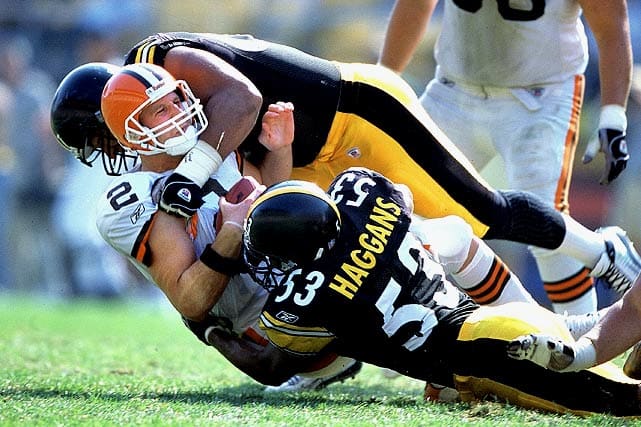
With the number one pick, the Browns had their choice of two of what would become the biggest quarterback busts of all time, Tim Couch and Akili Smith, and eventually took the Heisman trophy finalist Couch. While Couch made 62 starts with the Browns in comparison to Smith's 17 with the Bengals, his numbers were entirely mediocre. Couch threw for a miserable 11,571 yards, 64 touchdowns, and 67 interceptions in five injury-plagued seasons. After being released at the end of the 2003 season, he attempted several comebacks but failed in each of them. His decline culminated when he tested positive for steroids and HGH in August 2007.
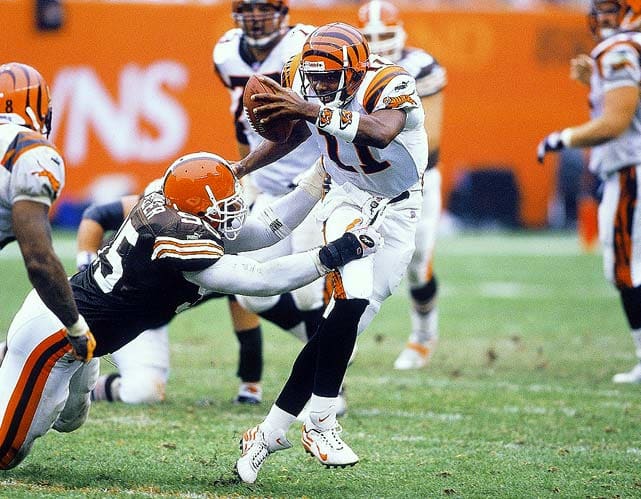
Smith emerged after one good season at Oregon and almost went No. 1 over Tim Couch and Donovan McNabb. But Smith was destined to be a bust from the beginning. Not only was he selected by the Bengals -- a reliable indicator of future flops -- but also he was coached by QB guru Jeff Tedford in college. Tedford-coached quarterbacks -- Trent Dilfer, Joey Harrington and Kyle Boller -- haven't had much NFL success.
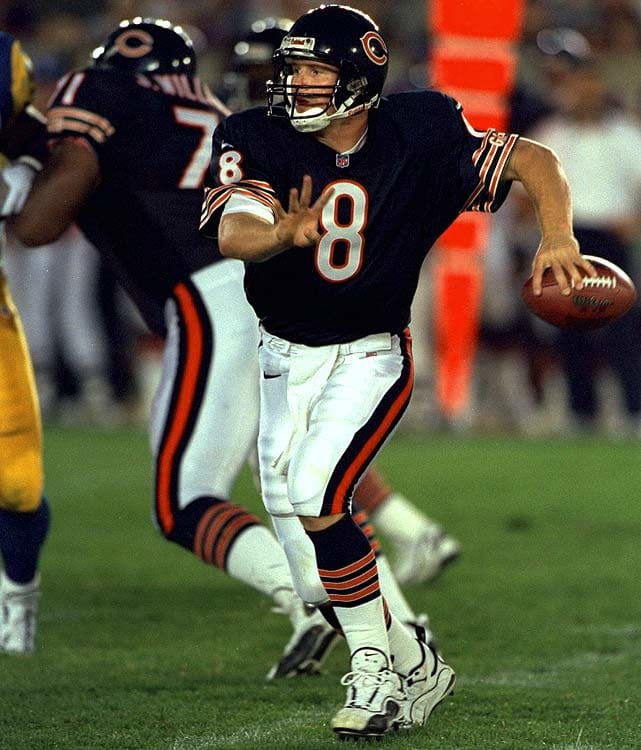
This southpaw posted huge numbers at UCLA and was supposed to be the Bears' answer at QB. But in two years he started 15 games, throwing 16 TDs and 19 interceptions. His lack of accuracy, poor decision-making and an attitude that reminded many of Ryan Leaf limited his career in Chicago.
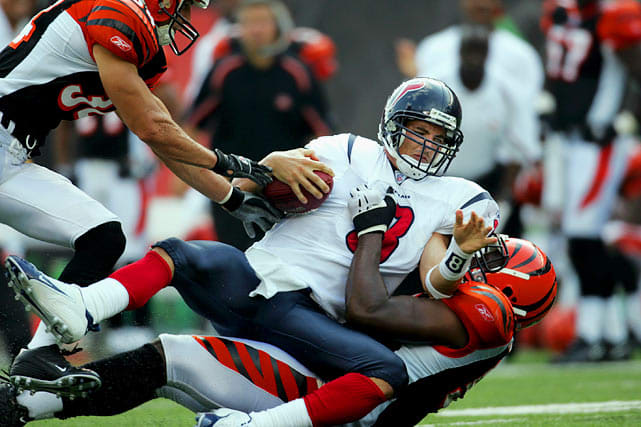
The 6-foot-3, 215 pound, laser-armed prodigy out of Fresno State was all set to lead the Texans as the first draft pick in franchise history. In his rookie season, he started all 16 games and posted a miserable 62.8 quarterback rating while being sacked an NFL record 76 times. He spent much of the next four seasons on his back, and eventually was released in 2006 because no team would trade for him.
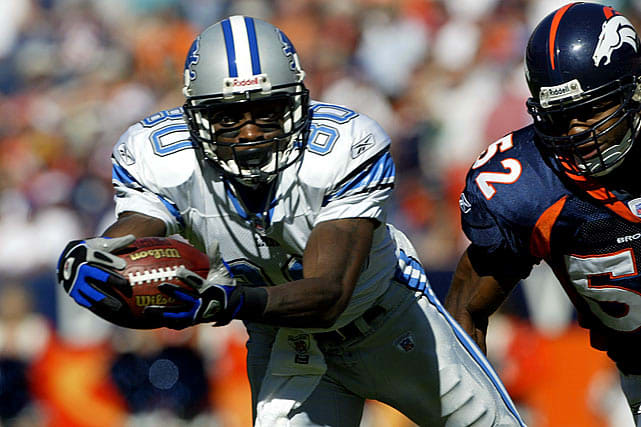
Rogers was drawing comparisons to Randy Moss when he came out of Michigan State in 2003. The enormously talented receiver once notched 270 receiving yards in a game, and won the 2002 Biletnikoff award as the nation's best wideout. Rogers went to the Lions second overall in 2003, but over the next two years played in only six games due to broken collarbones. In 2005, he was suspended four games for a third violation of the NFL's drug policy. A year later he was released by the Lions at the beginning of the season. In March 2009, he was jailed for violating probation.
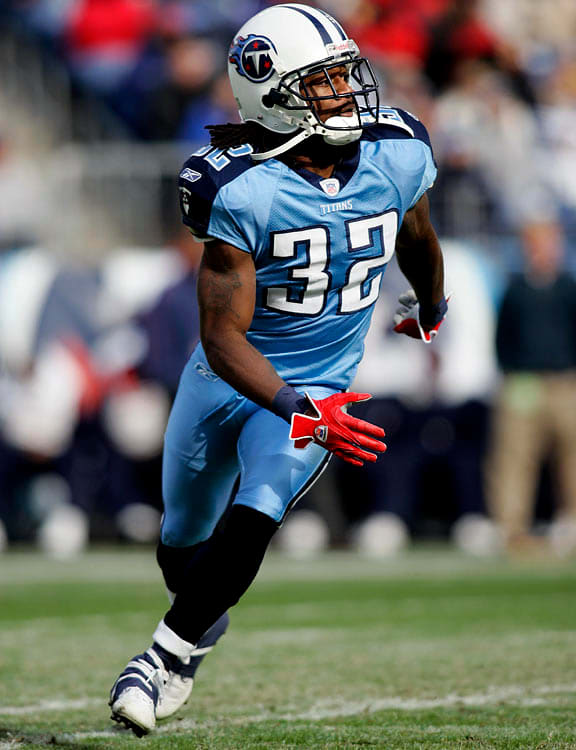
An electric playmaker in the secondary and in the return game, Pacman Jones was selected by the Titans and immediately thrust into a starting role. Jones' second season was spectacular -- four interceptions and three punt return touchdowns -- but off-field issues derailed a promising career. He was suspended for the entire 2007 season and part 2008 after a series of run-ins with the law. Unable to find work in the NFL, the 26-year-old free agent at one point gave pro wrestling a try.
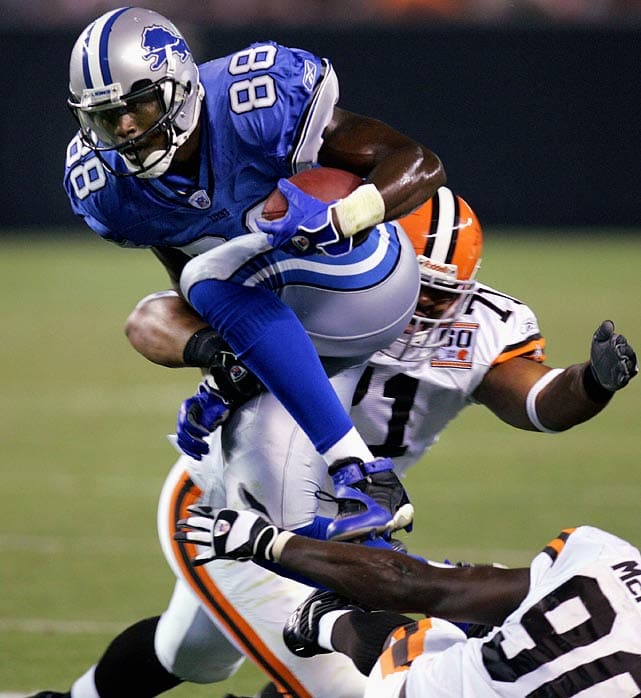
Williams hauled in 95 passes for 1,314 yards and 16 touchdowns in 2003, his sophomore season at USC. With Ohio State running back Maurice Clarett challenging the NFL's age limit in court, Williams seized the opportunity and declared for the draft and hired an agent, despite only being two years removed from high school. The courts ruled against Clarett, rendering he and Williams ineligible for the 2004 draft. Williams, considered a first-round pick, sat out all of 2004, and re-entered the draft in 2005. The Lions made Williams their third straight receiver drafted in the first round. But Williams succumbed to injury and was a disappointment in Detroit. The Lions gave up, and the once-highly touted wideout played just eight more games with the Raiders and Titans in 2007.Who would you add to the list? Send comments to siwriters@simail.com
